
The Nature of Monstrosity
Frankenstein, or the Modern PrometheusThe novel explores who is the true monster: the creature, whose appearance incites fear, or Victor, who abandons his creation.
increasing Bearing strength in each event
 decreasing
Bearing strength in each eventdecreasingThe Creature's Humanity
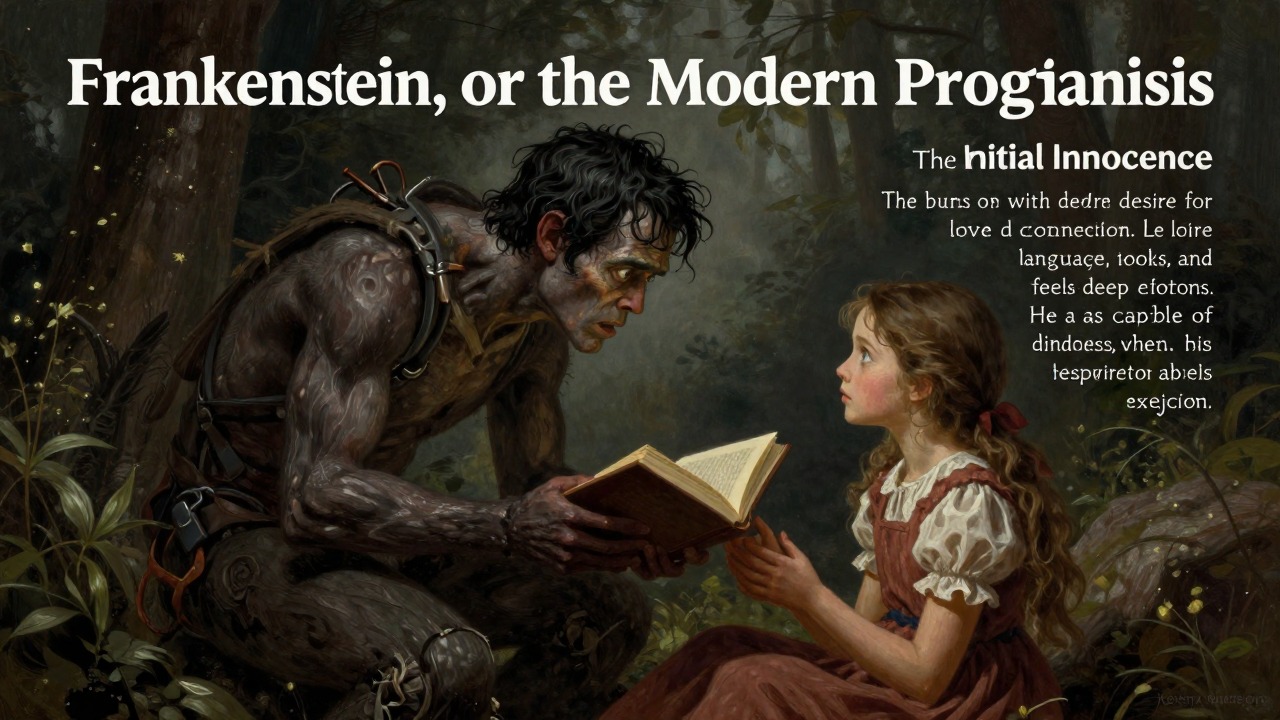
A Sensitive Being
The Initial Innocence
The monster is born with a desire for love and connection. He learns language, reads books, and feels deep emotions. He is capable of kindness, as shown when he saves the girl. His actions are driven by his experiences.
The Rejection
Every human he encounters reacts with horror. His appearance, not his nature, determines his treatment. He is rejected by the De Laceys, shot by the rustic, and abandoned by his creator. This turns him towards evil.
The Blame
The monster argues that he is not inherently evil: he became malicious because he was made miserable. The novel questions whether society's prejudice creates monsters. The creature's eloquence and reasoning make him a sympathetic figure.
Victor's Monstrous Neglect
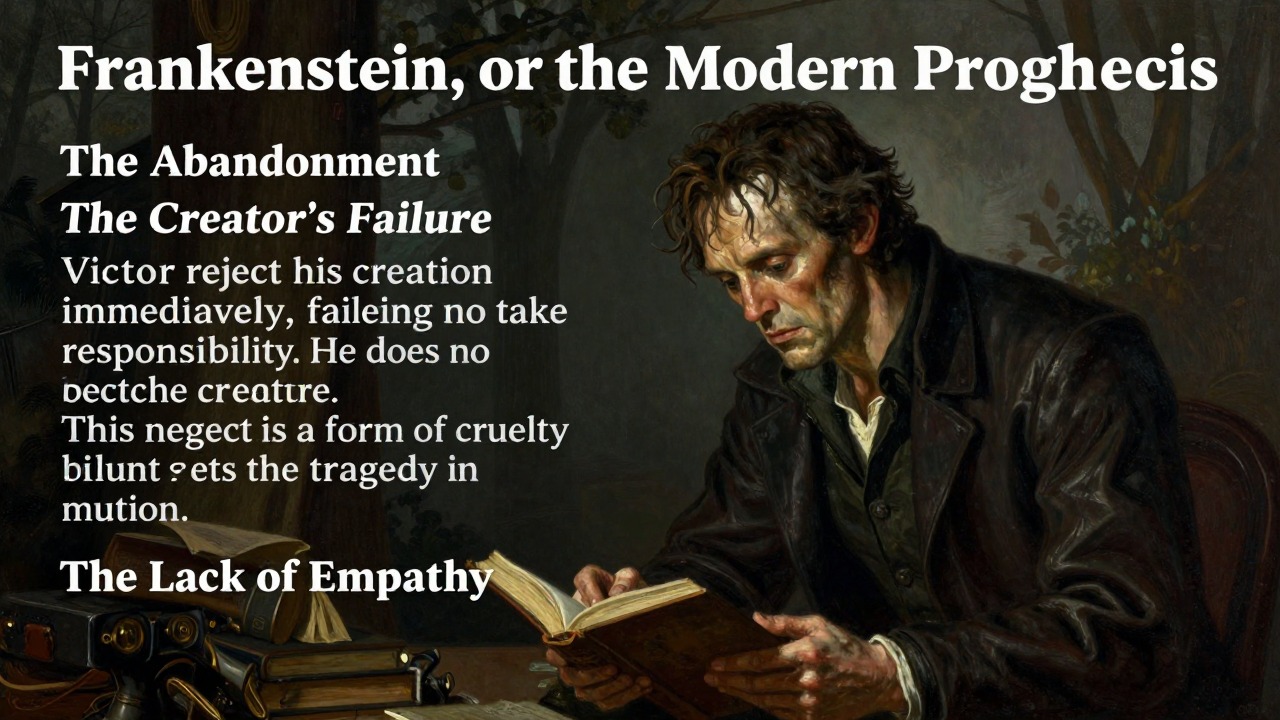
The Creator's Failure
The Abandonment
Victor rejects his creation immediately, failing to take responsibility. He does not teach, guide, or protect the creature. This neglect is a form of cruelty that sets the tragedy in motion.
The Lack of Empathy
Victor never truly sees the monster as a sentient being deserving of compassion. He refers to him as a demon, a fiend, and a wretch. His inability to acknowledge his role as a parent is a moral failure.
The True Monster
By the end, Victor's obsessive revenge makes him monstrous. He is willing to sacrifice everything, including his own humanity, to destroy the creature. The novel suggests that Victor's failure to love and accept his creation makes him the true monster.
During the monster's narrative, especially his education and feelings
Throughout the novel, especially after the creation
